Nine Winter Safeguards for Keeping a 2026 Renovation on Programme
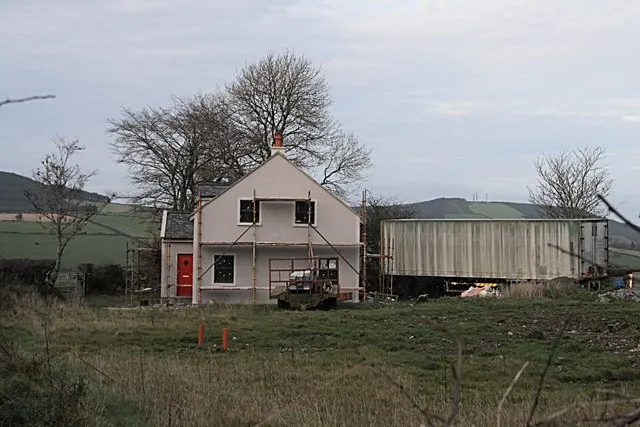
Photo: kevin higgins, CC BY-SA 2.0, via Wikimedia Commons
Winter is not an unreasonable season for construction, but it is an unforgiving one for assumptions. A cold snap can expose a poorly sequenced programme within days: plaster that will not dry, screed that is too cold to cure, external render held back by frost, and trades arriving on site before the previous stage has reached a stable condition. For homeowners planning work in late 2026, the practical answer is not to postpone every project until spring. It is to choose a contractor who plans for winter rather than treating it as an unexpected disruption.
At Smooth Finish Construction, the pre-construction conversation routinely covers weather risk, drying windows and access protection. The following nine safeguards are the measures that most reliably keep a renovation moving through a British cold snap.
1. Agree a weather-led programme before work begins
A winter programme should identify which tasks are weather-sensitive and which can proceed indoors. External works such as roofing, render, brickwork and drainage should have clear hold points for frost, rain and low temperatures. Internal works should be sequenced so that wet trades are not compressed into a cold week simply to protect the calendar. The programme should also name who decides when conditions are unsuitable. A written decision route prevents pressure to proceed when materials or substrates are outside tolerance.
2. Protect and acclimatise materials
Timber, plasterboard, MDF, adhesives and finishes all respond to moisture and temperature. Materials stored in a cold, damp garage or delivered to an unheated site can take time to stabilise. They should be raised off floors, kept under cover and allowed to acclimatise in the room where they will be installed. Sealed bags and boxes should not be opened until the space is at a suitable temperature. This is a small discipline with a large effect on shrinkage, movement and adhesion.
3. Allow realistic drying times for wet trades
Plaster, screed and some adhesives do not follow the same clock in winter. Lower temperatures and higher humidity extend drying and curing periods, and forcing the issue with excessive heat can cause cracking or trapped moisture. A realistic programme will build in drying windows and use moisture readings rather than guesswork before decoration. Homeowners should expect a contractor to explain how drying will be monitored and what conditions are needed before the next trade begins.
4. Sequence external work around frost and precipitation
Frost affects mortar, render and some sealants; rain affects roof coverings, brickwork and external finishes. Rather than losing days reactively, the programme should group external tasks into viable windows and keep internal work available as a fallback. Where external work must pause, the priority is to leave the building watertight and safe. Temporary caps, sheeting and secure openings are not cosmetic details; they protect the work already completed.
5. Invest in temporary weather protection
A winter site needs more than a tarpaulin thrown over materials. Consider temporary roofs, sealed openings, protected thresholds and a clean route through the property. Protection should allow ventilation without letting rain or snow enter. It should also be checked after high winds or heavy rain. A contractor who treats protection as a planned cost is usually also more careful about the permanent detailing that follows.
6. Heat and ventilate safely
Site heating can help drying, but it must be controlled. Open flame heaters in enclosed spaces create safety and moisture risks. Ventilation is needed to remove water vapour, yet excessive draughts can cool surfaces and cause condensation elsewhere. The right approach is a balanced regime: maintain a stable temperature, ventilate according to the work being carried out, and avoid sealing a room before it has dried. Carbon monoxide alarms and fire precautions are non-negotiable.
7. Keep trades informed and mobilised
A cold snap can create a domino effect. If one trade is delayed, others may arrive too early or stand idle. Clear communication with plasterers, joiners, electricians and decorators helps protect the sequence. A short daily or weekly coordination note can confirm access, temperatures and readiness. Homeowners can help by raising concerns early rather than waiting for a visible defect. Good contractors would rather adjust the programme than defend a rushed finish.
8. Watch for damp, condensation and trapped moisture
Winter renovations generate moisture from plaster, screed, paint and even from people working in sealed rooms. That moisture needs a route out. Check that extract fans are working, that windows can be opened safely for controlled ventilation, and that newly plastered rooms are not closed up for long periods. Damp patches, musty smells or condensation on cold surfaces should be investigated promptly. They are easier to resolve before decoration than after.
9. Record changes and hold a sensible contingency
Cold snaps often require small changes: an extra heater, a delayed delivery, a revised drying period or an additional protection measure. These should be recorded so that cost and time implications are transparent. A contingency of time, rather than only money, is particularly useful in winter. It allows the contractor to protect quality without turning every weather event into a dispute.
Conclusion
A winter renovation is not a test of optimism. It is a test of planning, sequencing and communication. The most reassuring contractors are those who can explain how they will protect materials, manage moisture and adapt when conditions change. For UK homeowners, that conversation is worth having before the first skip arrives. A build that respects the season is more likely to deliver the smooth, durable finish that lasts beyond the cold snap.