Before the Notice Goes Out: Party Walls, Neighbours and a Calmer Start on Site
A notice is not a warning
For many homeowners, the first mention of a party wall notice arrives with a jolt. The builder says the work is straightforward, then adds that a notice may be needed because the new steel will sit in the shared wall. The language sounds legal and adversarial. In practice, the Party Wall etc. Act 1996 is a framework for allowing work to proceed while protecting the neighbour's property. Handled early, it is usually a process to manage, not a dispute to survive.
At Smooth Finish Construction, we prefer the conversation next door to begin before the notice is served. A neighbour who understands what is planned, when it will happen and how long it will last is far more likely to respond constructively.
When the Act is likely to apply
The Act does not apply to every renovation. Moving a kitchen away from a shared wall, painting a hallway or replacing a bathroom suite will not usually trigger it. The common triggers are:
- work to an existing party wall or party structure, such as inserting beams, raising a wall or removing a chimney breast;
- building a new wall on or close to the boundary;
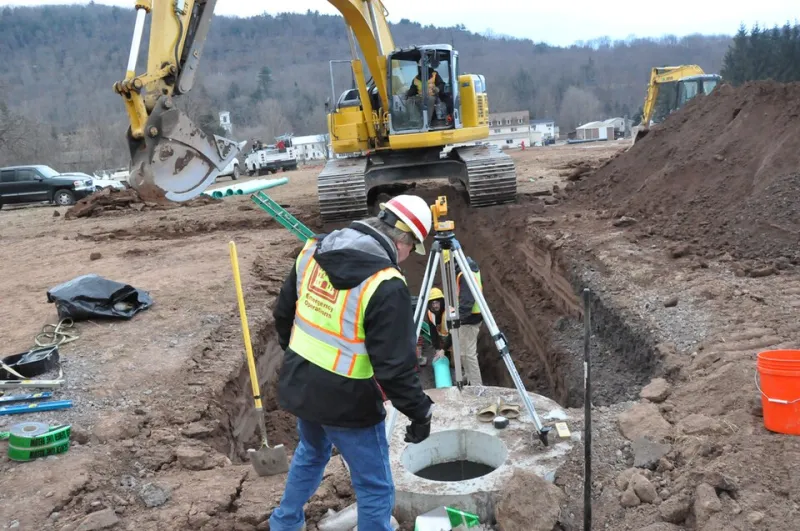
- excavation for foundations or a basement within the statutory distances of a neighbour's property.
The excavation trigger is often missed. Notice is generally required where digging is within 3 metres of neighbouring land and deeper than the neighbour's foundations, or within 6 metres and deeper than 3 metres below ground level. Basement schemes and substantial extensions therefore need early advice. This article is a practical guide, not legal advice; where the facts are unclear, a party wall surveyor should be consulted before work is priced.
Notice periods and the 14-day response
For work to a party structure, notice should normally be served at least two months before the work begins. For excavation, the period is at least one month. The notice should be in writing and should include enough information, usually drawings, to show what is proposed.
The neighbour can consent in writing. If they do not consent, or do not respond within 14 days, a dispute is deemed to have arisen under the Act. That sounds more dramatic than it often is. It simply means the statutory procedure for appointing surveyors begins.
This is why a builder should not serve a notice and start the following week. The notice period is a minimum, not a formality. If surveyors need to be appointed and an award prepared, the programme must allow for it.
How surveyors are appointed
The parties can agree on a single surveyor, which is often the quickest and least expensive route. If they cannot agree, each side can appoint a surveyor. If the neighbour does not appoint within the statutory period, the building owner may appoint a surveyor on their behalf.
The surveyor's role is not to approve the design or the homeowner's taste. It is to resolve matters under the Act: the scope of work, access, protection of the neighbouring property, working hours and the condition of the property before work begins. The result is a party wall award. The building owner normally pays the surveyors' reasonable costs, although the award can deal with apportionment in certain cases.
A good award should be practical. It should tell the contractor what is required, not simply record that a dispute existed.
A realistic timetable
A simple consent can be quick. A full award takes longer. As a guide:
- before notice: speak to the neighbour, check the title plan and deeds, and take advice on whether the Act applies;
- notice stage: serve the notice with drawings and keep proof of service;
- response stage: allow 14 days for consent or dissent;
- surveyor stage: allow time for appointment, inspection and correspondence;
- award stage: allow several weeks for a straightforward award; basement and complex schemes can take longer;
- start on site: only once the notice periods, consents and award conditions are satisfied.
The timetable should be built into the programme, not treated as an interruption to it. A contractor who says the notice can be 'sorted later' is creating risk for everyone.
Communication habits that prevent disputes
Most party wall problems are made worse by silence. The following habits cost little and prevent a great deal of friction:
- Talk before the letter. Explain the project, the likely timetable and why a notice may be needed.
- Share drawings early. A neighbour is more likely to consent when they can see what is proposed.
- Explain what the notice is not. It is not a request for permission to alter the neighbour's property, and it is not a threat.
- Agree access and working hours in writing. If scaffolding will cross a boundary, say so.
- Give a named contact. A neighbour should know who to call if dust, noise or access becomes a problem.
- Record agreements by email. Verbal goodwill is welcome; written clarity is better.
- Keep the site tidy and the programme honest. A neighbour who sees progress and forewarning is more tolerant of disruption.
- Do not use the builder as a messenger for difficult conversations. The homeowner should lead.
A short weekly update can be remarkably effective: what happened, what is planned, and whether anything next door needs attention. It turns a legal process into a human one.
When to slow down
If a neighbour raises a serious concern, do not tell the contractor to press on. If the boundary is unclear, if access is disputed, or if the work involves basement excavation close to a neighbouring structure, take advice before demolition. The cost of a short delay is almost always lower than the cost of a dispute.
The long view matters. The build will finish; the neighbour will remain. A party wall notice served courteously, with drawings and a realistic programme, is a better foundation for the next few months than a fence-line argument. At Smooth Finish Construction, the best party wall outcome is the one where everyone understands what will happen, when, and for how long.