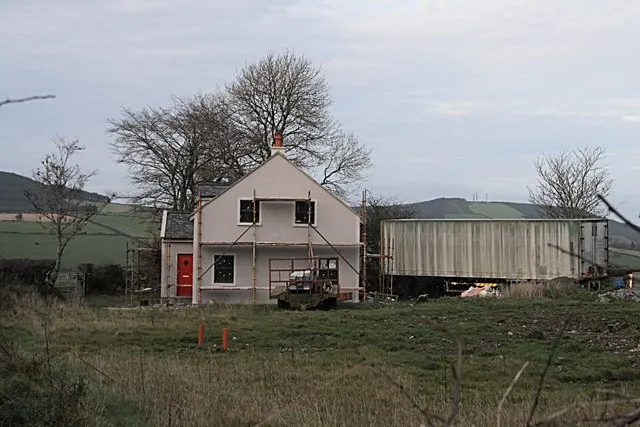
Before the First Payment: Seven Deposit Questions for a Calmer Renovation

Photo by Photo by Age Cymru on Unsplash on Unsplash
Handing over a deposit is often the first moment a renovation stops feeling abstract. Until then, the project has been drawings, quotations and conversations. Once money changes hands, the homeowner is committed and the contractor is expected to mobilise. That makes the pre-deposit stage one of the most valuable points for due diligence in the entire project.
The questions below are not designed to catch contractors out. They are designed to surface the practical arrangements that prevent the most common domestic renovation disputes: unclear scope, uncertain responsibility, informal payment, late changes, regulatory gaps and a handover that drifts. A professional contractor should be able to answer them clearly, in writing, before a deposit is paid.
1. Who is legally responsible for the work, and who is insured?
Ask for the full legal name of the contracting business, not just a trading name, and confirm who will employ the trades on site. If subcontractors are used, ask how their work is supervised and insured.
Insurance should be evidenced, not assumed. Depending on the project, you should expect to see public liability cover, employer's liability cover where staff are employed, and contract works or all-risk insurance for the renovation itself. Ask whether the policy covers domestic refurbishment and extensions, and whether subcontractors are included. A certificate with an expired date or a vague schedule is not enough. This is a straightforward administrative check, but it matters enormously if something goes wrong.
2. What exactly does the scope document include and exclude?
A quotation is not the same as a scope document. Before paying a deposit, ask for the written scope to identify drawings, specifications, finishes, fittings, allowances, provisional sums and exclusions. Clarify who is responsible for waste removal, protection of floors and stairs, making good after trades, and final cleaning.
Ask specifically about items that are often left ambiguous: electrical sockets and lighting positions, tiling allowances, kitchen appliance supply, bathroom sanitaryware, external works, scaffolding, skips and VAT. A cheaper quote may simply be a narrower quote. The useful comparison is not the total at the bottom of the page, but the total for the same defined package of work.
3. How is the deposit protected, and how are later payments staged?
A deposit should be proportionate to mobilisation costs, not a large upfront sum that leaves the homeowner exposed. Ask for a payment schedule tied to identifiable milestones: commencement, first fix, plastering, kitchen delivery, practical completion and handover. The schedule should be written into the contract, not agreed verbally on site.
Confirm how payments are to be made and verify bank details independently before transferring money. Avoid cash payments and be cautious of requests to pay a different account at short notice. Ask whether any retention will be held after practical completion and how defects will be rectified if they appear later. Payment discipline protects both sides: the contractor receives staged cash flow, and the homeowner retains leverage until the work is complete.
4. Who is responsible for building regulations and other approvals?
Building regulations are not a formality that can be left until the end. Ask who will submit applications, arrange inspections and provide completion certificates. For some projects, planning permission, party wall agreements, listed building consent or permitted development checks may also be required. If competent person schemes are being used for electrical or gas work, ask for the relevant notifications and certificates.
Responsibility should be explicit in the contract. If the contractor is managing the process, confirm what happens if an inspection reveals non-compliant work. If the homeowner is appointing a building control body separately, make sure the contractor knows the inspection sequence and includes the necessary access and notice periods in the programme.
5. What is the decision and communication protocol?
Renovations generate decisions: tile layouts, socket heights, door swings, paint colours, delivery dates and unforeseen discoveries. Ask who the single point of contact will be, how often site meetings will take place, and how instructions will be recorded. Verbal changes are a common source of dispute because they are remembered differently by the people involved.
A proper change-control process should confirm the scope, cost and programme impact of any variation before work proceeds. Ask how quickly decisions must be made to avoid delaying trades. Messaging apps are convenient for quick questions, but they are not a substitute for a written variation or a formal instruction. Early clarity is usually cheaper than late correction.
6. How will the programme, sequencing and delays be managed?
Ask for a start date, a practical completion date and a simple programme showing the main stages. You do not need a complex construction schedule, but you should understand the dependencies: first fix before plaster, plaster before decoration, screed before tiling, weathertight before internal works in an extension.
Ask how lead times are being tracked and what happens if a delivery slips. A credible contractor will allow some float in the programme for inspections, drying times and access constraints. They should also explain how delays will be notified and how the programme will be updated. A promise that everything will be finished in eight weeks is less reassuring than a plan that shows how eight weeks will be protected.
7. What is the snagging and handover procedure?
Snagging is not a sign of failure; it is a normal part of finishing. Ask how snags will be recorded, who is responsible for rectifying them, and what timescale applies. Confirm when practical completion will be certified, what certificates and warranties will be provided, and whether operation and maintenance information will be handed over for boilers, electrical systems or other installed equipment.
A sensible process includes a formal walkthrough, a written snag list, a rectification period and a final review. Ask how the contractor handles defects that emerge after handover. The answer should be a process, not a promise of goodwill.
The value of asking early
A homeowner who asks these questions before paying a deposit is not being difficult. They are setting the terms for a professional relationship. Good contractors expect scrutiny because it reduces the risk of misunderstandings later. Compare the answers as carefully as the prices. The cheapest quotation is rarely the best value if it leaves insurance, scope, sequencing or snagging unresolved.
Before the first payment leaves your account, make sure the contract, the programme, the payment schedule and the communication route are all clear. A calm renovation usually begins with an unglamorous conversation about paperwork.