The Kerbside Brief: Planning the Street Before the First Lorry Arrives
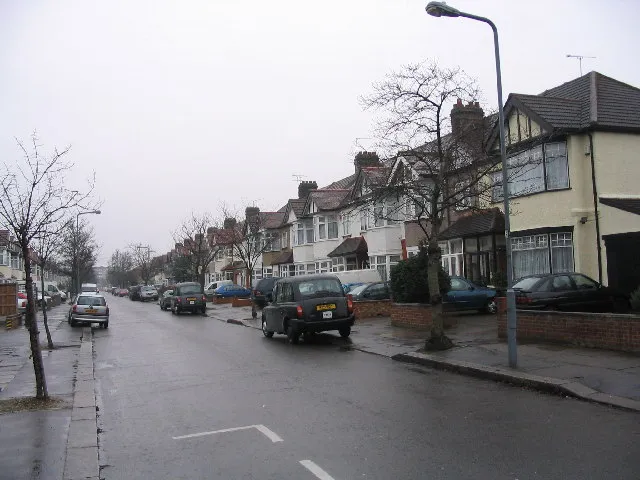
Photo: Andrew Dann, CC BY-SA 2.0, via Wikimedia Commons
The most carefully drawn renovation plan can falter at the boundary of the property. Before the first wall is opened, the street outside becomes a working area: a skip occupies a bay, scaffolding rises over the pavement, and lorries need somewhere to pause. For UK homeowners, these arrangements are not incidental. They are permissions, timed commitments and neighbourly obligations that deserve to be planned with the same rigour as the internal programme.
The project boundary is wider than the front door
A contractor may manage the build, but the highway is usually governed by the local authority. Responsibilities should be written into the pre-construction conversation: who applies, who pays, who displays notices and who removes equipment. In many areas the homeowner remains the applicant even when the contractor prepares the paperwork. Confirm this early, because council lead times vary and a missing licence can stop a delivery before it starts.
The same principle applies to private land. A driveway may seem to offer a simple place for a skip or a stack of bricks, but it can block a shared route or a neighbour's access. The kerbside brief should therefore begin with a measured look at what the property actually controls, and what the street requires in return.
Map the permissions before booking dates
For a 2026 renovation, the permissions list should be assembled before the programme is fixed. Names and requirements differ across councils, so the local highway authority is the definitive source. Common items include a skip licence or permit, a parking suspension, a scaffold licence and, where relevant, a hoarding or temporary traffic management consent.
A skip licence is often needed when the skip sits on the public highway. Check the conditions: reflective markings, lighting, permitted dimensions and the length of time allowed. If the skip can sit wholly on private land without obstructing access, a licence may not be required, but the council should still confirm this. Waste transfer notes should be kept, and hazardous or unsuitable materials should not be placed in a general skip.
A parking suspension reserves space for deliveries, skips or scaffolding. The dates must match the works, because an unused suspension can frustrate residents and a lapsed one can leave a lorry without a lawful place to stop. Notices usually need to be displayed in advance, and the contractor should know where the suspension begins and ends.
Scaffolding that oversails or stands on the highway generally requires a licence. The application should describe pedestrian protection, lighting and the duration. Where a scaffold needs to sit on a neighbour's land, written consent should be obtained before erection. Party wall matters are separate, but they are best raised at the same stage rather than after the poles arrive.
Protect the shared route
Shared alleys, bin stores, fire lanes and pedestrian routes are easily compromised by good intentions. A skip placed close to a corner may save a few metres of carrying, but it can obscure sightlines. A stack of materials in a communal passage may seem temporary, yet it can block a wheelchair user or delay a refuse collection.
The site plan should show the route from the lorry to the working area, the location of the skip, the scaffold footprint and the agreed storage zone. It should also show what must remain clear at all times. Where access is genuinely shared, a short written arrangement with the other users is more useful than an assumption that everyone will understand.
Give deliveries a timetable, not a hope
Material deliveries are often treated as a detail for the supplier, but they shape the day. A brick lorry, a timber wagon and a ready-mix vehicle each need different space and time. The contractor should issue a delivery schedule with timed windows, and the homeowner should know which days are most sensitive.
School drop-off times, bin collection days and local market days can turn a simple delivery into a congestion point. A banksman or trained spotter may be needed for larger vehicles. Where possible, materials should be ordered to arrive when they can be stored safely rather than left on the pavement. Just-in-time delivery is valuable, but only when the site is ready to receive it.
Make neighbours informed parties
Neighbours are not obstacles to a renovation; they are people living alongside it. A brief, factual letter before work starts can reduce friction. It should give the start date, the expected duration of scaffolding, the skip location, delivery hours, the site contact and a telephone number for urgent issues. It should not promise silence, but it should explain how concerns will be handled.
Courtesy is not the same as consent. Lawful works may not require a neighbour's permission, but shared access, scaffold oversail and parking arrangements often do. Where a neighbour's cooperation is needed, ask early and confirm the agreement in writing. A contact board at the front of the property, with the contractor's details, can also help residents raise issues with the right person.
A pre-start checklist for the kerbside
Before the first lorry arrives, the following should be confirmed and recorded:
- The permit or licence reference for the skip, scaffold or hoarding, with a copy available on site.
- The parking suspension dates, charges and notice display requirements.
- The scaffold design, licence conditions and any written consent for use of neighbouring land.
- A delivery schedule with timed windows and a named person to receive each load.
- A site plan showing the skip, storage, scaffold and protected pedestrian route.
- A neighbour letter issued with dates and contact details.
- Confirmation that shared access, bin stores and fire routes remain clear.
- Waste transfer arrangements and the expected removal date for the skip.
- A reinstatement plan for the pavement, kerb or parking bay at the end of the works.
The street is part of the finish
A renovation is judged not only by the rooms it creates but by how it behaves at the boundary. A neat skip, a well-lit scaffold and a delivery that arrives when expected all signal that the project is under control. The kerbside brief is therefore not paperwork for its own sake. It is the first visible proof that the work has been planned with care, and that the household, the contractor and the street can live together while it is carried out.